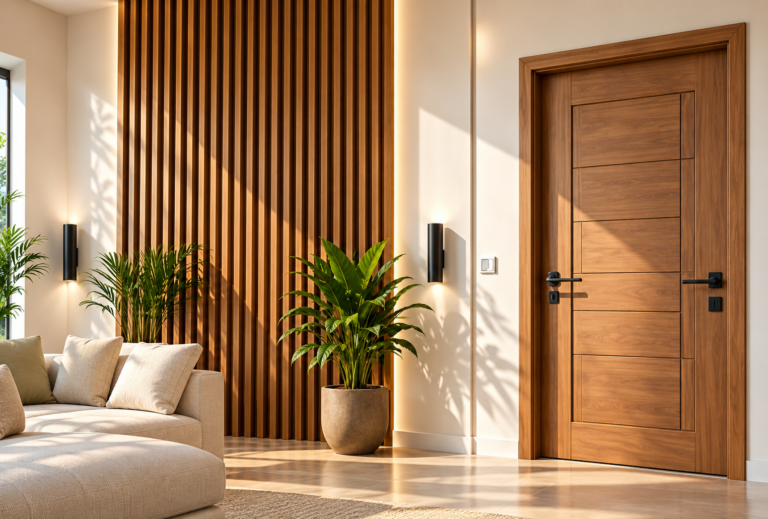
Upgrade Your Space: Why PVC Doors Are the Smart Choice for Modern Homes
Discover how PVC doors blend unbeatable durability, modern style, and cost-effectiveness to offer the ultimate upgrade for your home's interior and exterior spaces.
Read More
Knowing How to maintain wooden products is essential if you want Wooden doors, furniture and fittings stay beautiful for decades if you look after them. Neglect them and...

Knowing How to maintain wooden products is essential if you want Wooden doors, furniture and fittings stay beautiful for decades if you look after them. Neglect them and they can warp, crack, fade or get eaten by termites within a few years. Good maintenance is not expensive or complicated. It is a handful of small habits done at the right time.
To keep wooden products looking new, dust them weekly with a soft dry cloth, wipe spills immediately, clean with a barely damp cloth and mild soap, keep indoor humidity steady, shield wood from direct sunlight, and re-polish or re-seal the finish when it starts to look dull. Check hinges, edges and hidden corners for moisture and termites twice a year.
This guide covers what to do, how often, and what to avoid, with tips for Indian weather conditions.
Wood is a natural material. It absorbs and releases moisture as the air around it changes. Most damage comes from four causes:
The finish on your product matters too. A polished or lacquered surface needs different care from an oiled or waxed one, so check which type you have before you buy any product.
These habits take only a few minutes and prevent most surface damage.
What you need: two soft microfiber cloths, a bowl of lukewarm water, a few drops of mild dish soap, and a dry towel.
Steps
Avoid: bleach, ammonia, phenyl, acid-based toilet cleaners, abrasive scrubbers and steam cleaners. They strip the finish and can leave permanent patches.
Not every wooden product should be treated the same way. First work out the finish.
| Finish Type | How to recognise it | Can approach |
| PU / lacquer / varnish | Glossy or satin film, water beads on the surface | Clean regularly. Polish sparingly. Recoat when the film wears thin. |
| Oil finish | Natural, matte, soft look. Water slowly darkens it. | Re-oil as it begins to look dry. Use a product made for that wood. |
| Wax finish | Soft glow, feels slightly smooth | Re-wax as it dulls. Buff with a soft cloth. |
| Laminate or veneer-faced | Printed or very thin wood layer on the surface | Clean gently. Keep water away from edges. Don’t sand or heavily polish. |
If you’re not sure what finish you have, ask the supplier. At APEX, you can message us on WhatsApp with the product name and we’ll guide you on the right care.
Moisture is the biggest long-term enemy of wooden products, and in Jaipur and across Rajasthan it comes in two forms: extremely dry summer heat and monsoon humidity.
All year:
Termites (deemak) are a real concern in Indian homes, and they usually go unnoticed until the damage is advanced.
If you find an active infestation, call a licensed pest-control professional. Home remedies rarely reach termites inside the wall or the wood.
Direct sunlight slowly bleaches and dries the surface, and a wooden door facing west or south can show it within a couple of seasons.
Small damage is easy to treat if you act early.
When in doubt, fix a small area now rather than wait. Cracked finish lets moisture in, and that turns a small scratch into a big repair.
| Season | What to do |
| Winter (Nov to Feb) | The best time for polishing, recoating or refinishing. The weather is dry and mild. Deep clean doors and furniture. |
| Summer (Mar to Jun) | Protect from sun and heat. Dust frequently. Check for cracks or loose joints. |
| Monsoon (Jul to Sep) | Ventilate. Wipe condensation. Watch door edges, wardrobes and the lower frame. Check for fungus or musty smell. |
| Post-monsoon (Oct) | Inspect for termites, swelling and peeling finish before the festive-season clean-up. |
Maintenance is easier when you start with the right product and a good finish. If you’re planning a new door, look at the quality of the finish, how the edges are sealed, and where the door will be installed (main entrance vs. bedroom). You can browse our wooden door collection, including the Wooden Door and the Designer Wooden Door. Not sure which suits your space? See real installations in our gallery or contact our team. For areas with constant water exposure, such as bathrooms, you may also want to compare our WPC doors.
Maintaining wooden products comes down to four habits: keep them clean and dry, protect them from sun and moisture, check for termites regularly, and refresh the finish before it wears out. A few minutes each week saves you from expensive repairs later and keeps your doors and furniture looking new for years.
Planning a new wooden door for your home or office in Jaipur? Chat with the APEX team on WhatsApp or call +91 9829527620 for designs, finishes and care advice that suit your space.
Dust them weekly and give them a damp-cloth wipe once or twice a month. Wipe spills and fingerprints as soon as you see them.
Regular soft dusting, mild cleaning, coasters under hot or wet items, protection from direct sun, and re-polishing the finish when it looks dull. Always follow the grain.
Yes, but only a barely damp cloth, followed by immediate drying. Never soak or leave water on the surface, especially near edges and the bottom of the door.
Keep the finish intact, seal the top and bottom edges, ventilate the room, and avoid forcing a swollen door. Most doors settle once humidity drops.
Control moisture, keep wood off wet floors, inspect hidden areas twice a year, and use professional anti-termite treatment. Call a pest-control expert at the first sign of mud tubes or powdery dust
It depends on the finish and how much the item is used. Polish only when the surface starts to look dull, and don’t over-polish. Lacquered surfaces need it less often than oiled or waxed ones.
There’s no single best option. Use one that suits your finish (PU, oil or wax) and test it on a hidden spot first.
Discover more ideas, inspiration and tips for your home.

Discover how PVC doors blend unbeatable durability, modern style, and cost-effectiveness to offer the ultimate upgrade for your home's interior and exterior spaces.
Read More
How to determine the quality of your furniture for your dream homeFIFA cards refer to two completely different types of...
Read More